






























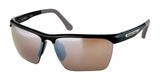
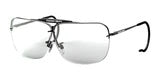
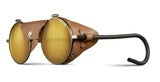
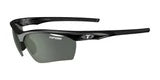
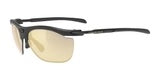
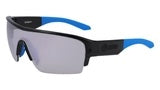
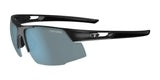
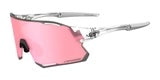







Cycling Sunglasses



Cycling Sunglasses FAQ
Are cycling sunglasses safe to wear with a helmet?
They're built for it. Thin, straight temples slide under the helmet straps and the nose pads adjust so the frame sits where the helmet leaves room. Try them with your helmet on before a long ride; the retention system at the back is what usually gets in the way, not the sunglasses.
How do I prevent cycling sunglasses from fogging?
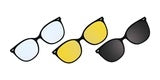
Vented frames, an anti-fog treatment, and not parking them on your forehead on a climb, where your own heat fogs them. In cold rain a lighter lens (yellow, rose or photochromic) lets you keep them on and keep air moving behind the lens instead of pushing them up.
Can I get prescription cycling sunglasses, including high base curves?
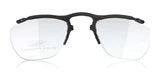
Most cycling frames take it, in Trivex with a digitally surfaced lens so the wrap doesn't smear the edges. Past about ±4.00 a deep wrap starts to fight the prescription; then we'd suggest a flatter frame or an insert.
Are photochromic lenses good for cycling?
Very, if your rides start at dawn or go through trees. They don't darken behind a car windscreen, which doesn't matter on a bike. Photochromic and polarized together is the best lens we sell for road riding.
What's the best lens tint for road cycling versus mountain biking?
Road in full sun: brown, amber or rose at 15 to 25% light transmission, mirrored on the brightest days, to pick out gravel and cracks on tarmac. Trails in shade: yellow or light rose at 40 to 60% so roots and rocks in the shadows show up. Polarized suits road glare and hurts in the woods, where it darkens shadows.