

























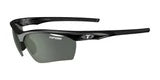
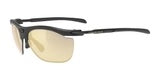
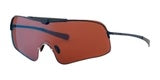
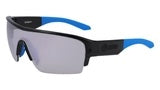






Kids Sunglasses



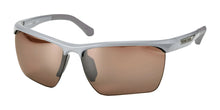


Kids Sunglasses With UV Protection FAQ
What frames are best for kids?
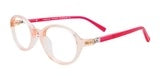
Light, bendy and hard to break: TR-90 plastic or flexible metal, spring hinges, a bridge that fits a small nose, temples that don't stick out past the ears. Polycarbonate or Trivex lenses, always. Brands that design for children's faces (OGI Kids, Nike Kids) fit better than adult frames shrunk down.
How often does a child's prescription change?
Every six to twelve months is normal, so an annual exam matters and a spare pair with last year's prescription isn't much use. Most children stay in single-vision lenses until their late teens; a doctor will say if a bifocal is needed for something specific.
What's the difference between OGI Kids, D&G Kids, Ray-Ban Junior, and Vogue Junior?
OGI Kids is designed for children's faces, sturdy, bright colours. D&G Kids and Ray-Ban Junior are the designer looks scaled down, not impact rated. Vogue Junior is fashion in smaller sizes. For an active child, OGI Kids or Nike Kids; for the look, the designer juniors.
Are kids' sunglasses safe for active play?
Only the ones built for it. That means polycarbonate or Trivex lenses, a TR-90 or flexible metal frame with spring hinges, a snug fit and a strap. Designer kids' sunglasses (Ray-Ban Junior, D&G Kids) are for everyday wear, not the pitch. For sports, Rec Specs, Nike Kids or anything with an ASTM F803 rating.